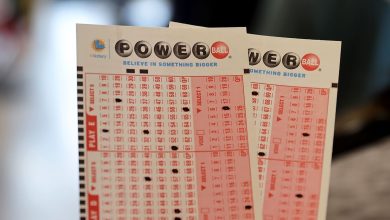

The lottery is much more than a simple game of chance. It is a phenomenon that has shaped societies, funded monumental public works, and cultivated dreams of fortune for thousands of years. It is deeply woven into the fabric of human history and culture, representing both a practical tool for raising funds and a powerful symbol of hope and possibility. This article explores the fascinating legacy of the lottery—from its ancient origins to its present-day significance—and reflects on why it continues to resonate with millions around the world.
Ancient Beginnings: The Lottery as a Tool and Tradition
The origins of the lottery trace back over two millennia to ancient civilizations where lotteries fulfilled important social, religious, and financial functions.
In ancient China, during the Han Dynasty around 205 to 187 BCE, the first recorded form of lottery served as a mechanism to fund massive public projects, most notably the construction of the Great Wall. This early lottery likely resembled a game known as keno, functioning as both entertainment and civic fundraising.
Similarly, in the Roman Empire, lotteries were popular at social gatherings, with tickets distributed during banquets where prizes often included valuable goods like jewelry or fine tableware. Roman emperors, including Augustus, organized lotteries to finance public works and city repairs, illustrating the crucial link between lotteries and public finance. Unlike today, winners received prizes such as property, slaves, or other valuables, signifying the role of lottery in wealth distribution.
Medieval and Renaissance Europe: Institutionalization and Public Good
Lotteries evolved significantly in the Middle Ages, becoming institutionalized by European governments and used primarily to fund civic and charitable projects. Throughout the 15th century, towns in the Low Countries—such as Ghent and Bruges—held public lotteries to raise money for city fortifications and to support the poor. These events provided a painless form of public taxation, popular among citizens and effective for communal welfare.
Italy was a particularly influential center for lottery development. Milan hosted one of the earliest recorded lotteries in 1449 to fund a military campaign against Venice, while Genoa nurtured the “Lotto” tradition. This involved betting on the names or numbers of council members being drawn by chance—a precursor to modern lotteries and number-based games such as bingo and keno.
France further propelled the lottery into prominence when King Francis I established the Loterie Royale in 1539. Although initially expensive and unpopular among common folk, state-run lotteries gradually became crucial sources of funding for various public services across Europe.
The Lottery’s Journey Across the Globe
From Europe, the lottery made its way into England and eventually to the American colonies. Queen Elizabeth I authorized the first English national lottery in 1566 to finance essential infrastructure projects. The lottery’s practical utility soon extended to the New World, where Pennsylvania and Virginia colonies used lotteries to help build roads, schools, and churches in the 17th century. In fact, lotteries played a vital role in financing notable institutions such as Harvard University.
As the centuries progressed, lotteries evolved into regulated state enterprises worldwide, often seen as socially responsible methods of raising funds for education, healthcare, and public welfare. The Dutch Staatsloterij, founded in 1726, holds the distinction of being the oldest continuously running lottery, underscoring its long-standing importance as a public institution.
Modern Lotteries: Games of Fortune and Philanthropy
Today’s lotteries have grown into complex enterprises offering a wide range of games, from traditional numbered draws to instant scratch cards and multi-national jackpot games. The scale is larger, the jackpots more dazzling, and the accessibility broader than ever before, thanks to digital sales and online platforms.
Key features of modern lotteries include:
-
Broad Accessibility: Affordable ticket prices make participation possible for diverse economic groups.
-
Charitable and Social Contributions: A significant portion of revenue typically supports local education systems, health care programs, and community projects.
-
Rolling Jackpots: Lottery prizes can accumulate over multiple draws, creating captivating narratives of life-changing sums.
-
Technological Innovation: Online ticketing and mobile apps provide convenience, instant results, and global reach.
Modern lotteries straddle the line between gambling entertainment and social good, making them unique in the world of gaming.
The Psychology Behind Lottery Participation
What compels millions to buy a lottery ticket with its slim chances of winning? The allure is psychological as much as it is financial.
-
The Power of Hope: The lottery represents an opportunity to escape ordinary life and envision a dramatic transformation fueled by luck.
-
The Thrill of Anticipation: The wait for winning numbers induces excitement, tension, and a communal shared experience.
-
Fairness and Equality: Lotteries offer a rare chance where wealth and skill matter little—everyone has an equal shot.
-
Small Risk, Big Potential Reward: The low cost of a ticket contrasts with the jaw-dropping jackpot values, making participation feel worthwhile.
Together, these factors create immense emotional engagement, sustaining the lottery’s popularity across cultures and generations.
Responsible Play in a Changing World
With growing accessibility and the rise of digital lotteries, ethical considerations around responsible gambling have become paramount. Modern lotteries emphasize player protection through self-exclusion programs, spending limits, and educational campaigns to help players enjoy responsibly while minimizing harm.
Conclusion: The Lottery’s Eternal Appeal
The lottery is both an ancient practice and a modern spectacle. It combines human hopes with calculated chance, weaving a narrative that transcends mere gambling to become a social phenomenon. From funding the Great Wall of China to shaping education systems worldwide, lotteries continue to embody humanity’s deep-seated desire for prosperity and shared progress.