
The lottery has long captivated humanity’s imagination—a game where chance meets hope, and fortunes can change with the draw of a ticket. While often perceived as a simple gamble, the lottery carries a deep-rooted history rich in cultural significance, social utility, and evolving forms of entertainment. This article explores the intricate journey of the lottery—from ancient origins to modern variations—illuminating its enduring role in society and the psychology behind its universal appeal.
The Ancient Roots of the Lottery
The concept of the lottery dates back thousands of years to ancient civilizations. One of the earliest documented lotteries occurred during China’s Han Dynasty (circa 205–187 BC). These early games, often resembling keno, are believed to have helped finance massive government projects such as the Great Wall of China. This practical use of chance-based draws to generate funds laid the groundwork for the lottery’s societal role.
Meanwhile, in ancient Rome, lotteries were a popular form of entertainment during banquets and public events. Tickets were distributed to guests, with prizes ranging from luxurious items to everyday goods. The Roman Emperor Augustus is credited with establishing a lottery to raise money for rebuilding efforts in the city, exemplifying an early combination of public funding and recreational gaming.
The Evolution of Lotteries in Medieval and Renaissance Europe
By the 15th century, lotteries began to evolve as institutionalized tools for public finance across Europe, particularly in the Low Countries (modern-day Belgium and the Netherlands). Towns like Ghent, Utrecht, and Bruges held lotteries to fund fortifications and aid the needy, with records dating as early as 1445. These lotteries were praised for being a painless form of public taxation, widely popular among the populace.
Italy played a pivotal role in shaping the lottery’s modern identity. The earliest official lottery was held in Milan in 1449 to finance military endeavors against Venice. Genoa developed a variant involving betting on the selection of municipal council members by lot, eventually replacing names with numbers and birthing the precursor to modern number-based lotteries.
France’s first major lottery took form under King Francis I in 1539, although its initial popularity was hindered by high ticket prices and class resistance. However, from the 17th century onwards, the French state ran lotteries to fund public institutions such as military schools, with notable supporters like Giacomo Casanova championing the cause.
Lotteries Across the Globe and Their Impact
The lottery’s global journey continued with its introduction to England in the 16th century. Queen Elizabeth I authorized lotteries to fund harbor repairs and other public works, while the Virginia Company used lotteries to support the settlement of Jamestown in early colonial America. Throughout the 17th and 18th centuries, lotteries became instrumental in financing schools, roads, churches, and community projects on both sides of the Atlantic.
These publicly sanctioned lotteries solidified the game’s reputation as a socially beneficial tool, raising essential funds without imposing direct taxes. The oldest government-run lottery that still operates today is the Dutch Staatsloterij, founded in 1726.
The Lottery in Modern Times: Forms and Functions
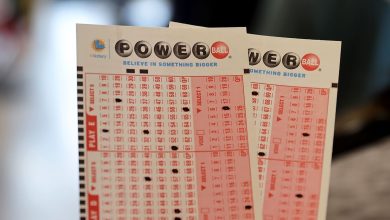
Today, lotteries come in diverse formats—from traditional draw-style games and instant scratch cards to digital raffles and multi-state jackpots like Powerball and EuroMillions. Modern lotteries are often instrumental in funding essential public services, including education, health care, and infrastructure projects.
Key attributes of the modern lottery include:
-
Accessibility: Lotteries offer affordable tickets to a wide demographic, democratizing the chance to win.
-
Jackpot Excitement: Large, often rolling, jackpots create widespread attention and anticipation.
-
Charitable Contributions: Many lotteries dedicate a portion of proceeds to social causes and community programs.
-
Technological Integration: Online platforms and mobile apps streamline ticket sales and instant result notifications.
This multifaceted approach not only sustains lottery popularity but reinforces it as a vital social and economic mechanism.
The Psychology Behind Lottery Play
What drives millions to participate in lotteries despite the long odds? The answer lies in several psychological and emotional factors:
-
Hope and Dream: The lottery fuels aspirations of escape and transformation, giving players a glimpse of a better future.
-
Thrill of Anticipation: The suspense leading up to the draw provides an adrenaline-inducing experience.
-
Fairness of Chance: Unlike skill-based games, the lottery is purely luck-driven, offering an equal shot at success.
-
Small Investment, Big Reward: Affordable ticket prices foster a perception of high value and low risk.
Together, these elements create a powerful cocktail of motivation and engagement, explaining the lottery’s enduring allure.
Criticism and Responsible Gaming
Despite its benefits and appeal, lotteries face criticism related to problem gambling and ethical concerns over targeting lower-income populations. Modern lottery organizations increasingly prioritize responsible gaming policies, including awareness campaigns, purchase limits, and resources for players experiencing difficulties.
Conclusion
The lottery emerges as a fascinating blend of history, culture, social utility, and psychological allure. From ancient Chinese keno to contemporary multi-billion-dollar jackpots, it represents humanity’s timeless fascination with chance, hope, and fortune. Far from merely a game, the lottery functions as a social institution—raising essential funds, igniting dreams, and connecting communities across generations.