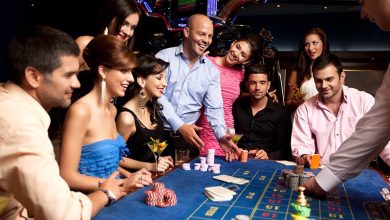
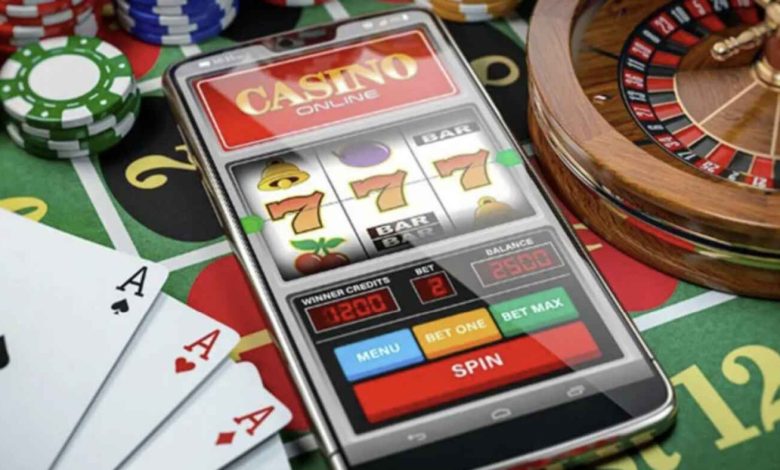
Casinos have long captured the imagination of millions worldwide, conjuring a world of dazzling lights, suspenseful moments, and the promise of fortune. As centers of entertainment, gambling, and social interaction, casinos embody much more than just venues for games of chance—they are cultural landmarks that blend history, innovation, and human psychology into a captivating experience. This article explores the intriguing origins of casinos, their evolution over the centuries, and their dynamic role in today’s entertainment landscape.
The Origins of Casinos: A Journey Back in Time
The history of casinos can be traced back to ancient civilizations where gambling was part of everyday life. Archaeological discoveries reveal that the earliest known gambling artifacts date back to 2300 BC, with evidence of dice games in Egypt and China. These early games of chance were often intertwined with rituals, social ceremonies, and community gatherings.
The word casino itself has Italian roots, derived from the term “little house.” The first establishment that closely resembles what we now call a casino appeared in Venice in 1638—Il Ridotto. It was created as a government-sanctioned gambling house designed to regulate betting during the Venetian carnival. Unlike informal gambling in taverns or private homes, Ridotto offered structured play and ushered in the concept of the casino as a dedicated space for gambling.
By the 18th and 19th centuries, casinos proliferated across Europe. Monte Carlo in Monaco became synonymous with luxury and high-stakes betting, attracting aristocrats and celebrities. Across the Atlantic, gambling grew in prominence, especially in riverboat saloons along the Mississippi, where informal games ushered in a uniquely American gambling culture.
The Rise of the Modern Casino
The 20th century marked a turning point for casinos, particularly in the United States. Gambling was largely illegal until the Great Depression prompted Nevada to legalize it in 1931 as an economic stimulus. This led to Las Vegas becoming the iconic gaming capital it is today, with the opening of the first official casino, El Rancho Vegas, in 1941. The city blossomed into a sprawling entertainment oasis, drawing millions seeking the thrill of gaming and spectacle.
The introduction of the slot machine in the late 19th century, notably Charles Fey’s Liberty Bell in 1895, revolutionized casino gaming. These mechanical marvels evolved into electronically powered machines, becoming a cornerstone of casino floors worldwide. Meanwhile, classic card games such as poker, blackjack, and baccarat cemented their places as staples for players seeking strategy combined with chance.
The Modern Casino Experience: More Than Just Games
Today’s casinos are intricate ecosystems that extend far beyond gambling tables. They are palatial resorts featuring world-class restaurants, theaters, luxury hotels, and exhilarating attractions. This evolution reflects the desire to provide patrons with a comprehensive lifestyle experience where gaming becomes part of an immersive entertainment journey.
Characteristics of Modern Casinos:
-
Opulent Design: Lavish interiors and architectural grandeur create an atmosphere of indulgence.
-
Game Diversity: From traditional table games to cutting-edge electronic slots, variety caters to all tastes.
-
Technological Integration: Digital displays, touchscreens, and audience interactivity enhance gameplay.
-
Social and Cultural Events: Casinos host concerts, shows, and social gatherings, broadening their appeal.
These elements combine to ensure that casinos remain top destinations for leisure and excitement well beyond the prospect of winning money.
The Psychological Allure: Why Casinos Captivate
Casinos are expertly designed to tap into human psychology, optimizing player engagement and enjoyment.
-
Element of Chance: The unpredictability within games creates a sense of suspense and excitement, releasing dopamine and encouraging continued play.
-
Visual and Auditory Stimuli: Bright lights, carefully orchestrated sounds, and comfortable surroundings create a sensory-rich environment.
-
Social Interaction: Players enjoy the communal experience, sharing victories and defeats in a lively atmosphere.
-
Escape and Fantasy: Casinos offer an alternative reality where worries fade and the thrill of the unknown takes center stage.
This complex blend of factors ensures that casinos fulfill deeper emotional needs beyond mere entertainment.
The Digital Frontier: Online Casinos and Virtual Gaming
The advent of the internet and mobile technology has profoundly transformed the casino landscape, making gambling accessible to a global audience anytime, anywhere.
Online casinos replicate the excitement of physical venues through:
-
Live Dealer Games: Real-time streaming connects players with professional dealers for authentic interaction.
-
Virtual Reality Casinos: Immersive environments simulate walking casino floors, offering novel ways to engage.
-
Cryptocurrency Adoption: Enhanced security, privacy, and ease of transactions facilitated by blockchain technology.
-
Personalization via AI: Customized gaming experiences and tailored promotions fueled by data analytics.
These innovations continue to blur the lines between physical and digital gaming, expanding the reach and inclusivity of the casino world.
Economic and Social Impact of Casinos
Casinos contribute substantially to economies through tourism, employment, and taxation. Landmarks such as Las Vegas and Macau serve as hubs of economic activity, attracting millions of visitors and fostering ancillary industries like hospitality and entertainment.
Socially, casinos have sparked debate around responsible gaming. Progressive institutions now emphasize player protection and awareness, providing support for gambling addiction and advocating ethical practices.
Conclusion
Casinos are dynamic entities rooted in centuries of human fascination with chance and risk. From humble Venetian beginnings to the glittering floors of Las Vegas and the boundless digital realms of online platforms, casinos reflect both cultural traditions and modern innovations. They offer much more than games; they provide a stage for drama, community, and dreams.