
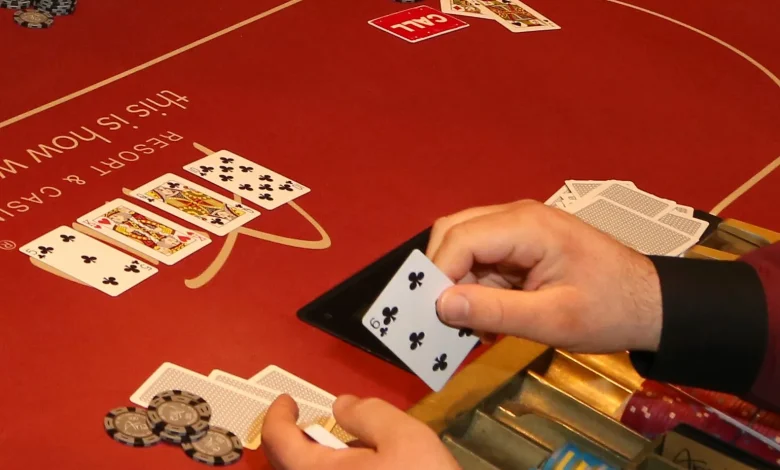
Poker is more than a game; it is a captivating blend of skill, psychology, strategy, and chance that has fascinated players for centuries. Its rich history, evolving gameplay, and cultural significance have endowed it with a timeless charm that continues to inspire players worldwide. This article explores poker’s intriguing origins, traces its development, and explains why it remains one of the world’s most beloved card games.
The Origins of Poker: A Mysterious and Multicultural Roots
The exact origin of poker is a subject of much debate and mystery. Scholars trace its beginnings to various card games played across different cultures over the centuries. One of the earliest known ancestors is the Persian card game As Nas, played as early as the 16th century. As Nas involved betting rounds and hand rankings that bear resemblance to modern-day poker.
The French game Poque from the 17th century also profoundly influenced the development of poker. Poque introduced the concepts of bluffing and betting—two hallmarks of poker today. French settlers are believed to have brought Poque to North America, where it intermixed with other card games popular in Europe, such as the English game Brag, which also featured bluffing.
The word “poker” itself likely derives from the French poque or the German pochen—meaning to bluff or knock. This etymology perfectly encapsulates poker’s blend of deception and psychology.
Poker in 19th-Century America: The Birthplace of Modern Poker
Poker gained distinct identity in the early 19th century United States, particularly spreading along the Mississippi River. Early versions were played with a 20-card deck, differing from today’s 52-card standard. Poker flourished on riverboats and in saloons, environments thick with the spirit of risk and competition.
During the 19th century, poker evolved rapidly. Variants like straight poker and stud poker were developed, each adding layers of complexity to the game. The full 52-card deck became the norm, paving the way for further diversification.
The Civil War era popularized new game variations and spread poker’s reach across the country. The introduction of community card games such as Texas Hold’em revolutionized poker with a perfect mix of simplicity and depth, making it accessible to amateurs and compelling for professionals.
The Rise of Poker as a Competitive Sport
The 20th century marked poker’s ascendance into organized competition and mainstream popularity. The inaugural World Series of Poker (WSOP) in 1970 transformed poker tournaments into globally renowned spectacles attracting players and fans worldwide.
Television broadcasts amplified poker’s allure, showcasing dramatic hands, daring bluffs, and iconic players, turning poker into a spectator sport. Variants like Texas Hold’em solidified their dominance, celebrated for their strategic depth and engaging gameplay.
Poker also evolved into a profession, with world-class players dedicating their careers to mastering the game. Online poker platforms further democratized access, allowing anyone to compete globally from computers or smartphones, creating a vibrant, interconnected community.
What Makes Poker So Captivating?
Poker’s irresistible charm lies in its combination of elements:
-
Skill Meets Chance: While luck dictates cards dealt, strategic betting and psychological tactics define winners.
-
Bluffing and Deception: Mastering when to bluff or read opponents’ bluffs adds thrilling psychological depth.
-
Variety of Play: Games like Texas Hold’em, Omaha, Seven-Card Stud, and more cater to diverse preferences.
-
Social Interaction: Poker tables—virtual or physical—bring together diverse players to compete and connect.
-
Universal Appeal: Accessible yet challenging, poker bridges cultural and linguistic divides worldwide.
This multifaceted nature preserves poker’s vibrancy and relevance across generations.
Essential Tips for New Poker Players
For beginners eager to dive into poker’s rich world, mastering a few fundamentals can enhance both enjoyment and success:
-
Understand Hand Rankings: Know which poker hands beat others—this is the backbone of decision making.
-
Play Position Wisely: Acting later in a betting round offers crucial informational advantages.
-
Manage Your Bankroll: Set limits and stick to them to sustain long-term play.
-
Observe Opponents: Learn to interpret betting patterns and subtle behavior cues.
-
Exercise Patience: Sometimes folding is the best strategic move—discipline pays dividends.
Respectful etiquette and attentive play cultivate both skill and camaraderie.
Poker’s Cultural Impact and Legacy
Poker has transcended its role as a game to become a cultural icon. It permeates literature, cinema, and art as a metaphor for risk, reward, and the complexities of human nature. The blending of luck and choice mirrors life’s unpredictability, and poker’s narratives often celebrate resilience, intuition, and calculated daring.
Conclusion
Poker is a game of fascinating contrasts—chance and skill, bluff and truth, patience and aggression. Its journey from the Persian game As Nas to the glittering arenas of the World Series and vibrant online platforms showcases its enduring adaptability and appeal. Poker invites players into a world where every hand is a story, every bet a gamble with fate, and every victory a testament to strategy and courage.