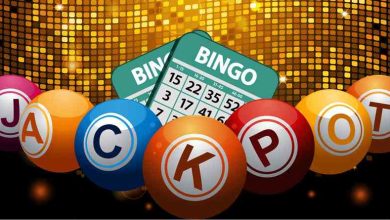

Bingo is more than just a pastime associated with numbered cards and a caller’s booming voice—it is an enduring social tradition that has evolved with the times while still retaining its essence. For generations, this seemingly simple game has been enjoyed by people of all ages, cutting across cultural, geographical, and social boundaries. Today, whether played in bustling community halls, vibrant charity events, or on sleek digital platforms, bingo continues to prove its relevance in modern entertainment.
The Origins of Bingo
The roots of bingo stretch back nearly five centuries. Its earliest predecessor appeared in 16th-century Italy, where it was known as “Il Gioco del Lotto d’Italia.” As the game spread to France and Germany, it acquired different formats and purposes—sometimes as an educational tool for teaching children mathematics, other times as a form of noble amusement among the aristocracy.
By the early 20th century, the game reached North America, where it underwent its most defining transformation. A traveling toy salesman in the 1920s stumbled upon a carnival game known as “Beano.” Players would mark their scores with beans until one mistakenly shouted “Bingo!” instead of “Beano.” The name caught on, and soon, a commercial version was created, giving rise to the version of bingo we recognize today.
The Social Magic of the Game
At its heart, bingo is more than just chance. It is an experience infused with camaraderie. Unlike solitary games, bingo thrives on collective energy—each call of a number builds anticipation within the room, sparking gasps, laughter, and chatter.
What makes bingo so socially magnetic?
-
Accessibility: The rules are incredibly easy to grasp, making the game approachable for newcomers and seasoned players alike.
-
Community Spirit: Charity organizations and churches have long favored bingo as a fundraising medium because it naturally brings communities together.
-
Inclusivity: People of varying ages, backgrounds, and skill levels can participate without barriers.
The sight of a hall filled with diverse participants, eagerly hovering over their cards, is a testament to the unifying power of this game.
Modern-Day Reinvention
While traditional bingo halls remain iconic, the digital age has breathed new life into the game. Online bingo platforms have reimagined the classic format for a global audience. Players from different corners of the world can now connect virtually, enjoying the thrill of competition at any hour of the day.
Online adaptations have also introduced new variants beyond the classic 75-ball or 90-ball versions. Themed rooms, power-ups, and interactive features add layers of engagement. Despite the technological shift, the essence of bingo—anticipation, chance, and connection—remains untouched.
Mobile apps and live-streamed bingo sessions ensure the game continues to adapt seamlessly to modern lifestyles, offering entertainment on the go while sustaining its social aspects through chat features and tournaments.
The Psychology of Anticipation
The enduring appeal of bingo can also be explained by its psychological underpinnings. Each call delivers a spike of anticipation—a player’s heart quickens when only one number is left to complete a line or a full house. Unlike games that demand intense strategy or physical dexterity, bingo is rooted in pure chance, which levels the playing field for everyone.
Moreover, the game’s pace allows players to socialize freely, making it less about solitary concentration and more about shared enjoyment. Researchers have even highlighted that for older adults, bingo helps maintain cognitive agility and fosters a sense of belonging, counteracting social isolation.
Bingo Beyond the Halls
One cannot overlook the role of bingo in popular culture. From its presence in literature and film to its symbolic use in art, bingo often serves as a metaphor for serendipity or unexpected luck. It has become synonymous with moments of surprise revelation—the exclamation “Bingo!” itself transcends the game, symbolizing the instant spark of realization in everyday conversation.
Educational institutions have also repurposed bingo cards for learning—reinventing the game into tools for teaching vocabulary, history, or even corporate training exercises. Its format is so adaptable that it has crossed far beyond its original entertainment scope, making its mark as both a cultural artifact and a practical tool.
Why Bingo Endures in the Modern Age
In a world of fast-paced digital distractions, the sustained charm of bingo might seem unlikely. And yet, its endurance is precisely because of its simplicity and adaptability.
-
Simplicity: Unlike complex board or card games, bingo requires minimal explanation.
-
Nostalgia: Many associate it with childhood memories, family gatherings, or community nights.
-
Social Connection: Its structure is inherently communal, reminding us of the joys of shared experiences.
-
Flexibility: Whether played in a grand hall or on a smartphone, the game molds itself to the occasion.
These qualities ensure bingo remains an evergreen activity, unchanged in spirit but constantly refreshed in form.
Conclusion
Bingo is a rare example of a game that has transcended centuries, continents, and cultural divides without losing its fundamental appeal. It is simple yet profound, structured yet flexible, playful yet deeply communal. From medieval European beginnings to contemporary mobile platforms, bingo has remained a consistent thread binding people together through fun, suspense, and shared anticipation.
Its legacy is more than just the numbers on a card—it is the laughter of an entire hall waiting for the next call, the thrill of shouting “Bingo!” when fortune smiles, and the comfort of tradition woven seamlessly into modern entertainment. In essence, bingo is not merely a game. It is a celebration of chance, community, and the joy of being part of something greater than oneself.