
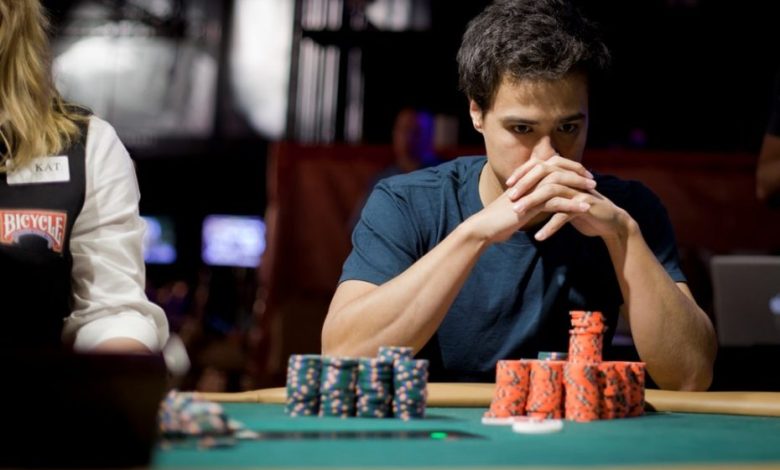
Poker looks simple on the surface, but once real money and real opponents are involved, small mistakes can quietly drain your bankroll. Most beginners don’t lose because they’re unlucky—they lose because they repeat the same avoidable errors. Understanding these mistakes early can save you months (or years) of frustration and money.
Below are the most common poker mistakes beginners make, along with clear explanations so you can recognize and correct them at the table.
Playing Too Many Hands
One of the fastest ways beginners lose chips is by playing far too many starting hands. New players often feel the urge to be involved in every pot, especially when they’re bored or excited.
Strong poker is built on patience and selectivity. Many hands simply aren’t worth playing, especially from early position.
Common signs of this mistake:
-
Calling raises with weak hands like low suited cards
-
Limping into pots “just to see a flop”
-
Playing marginal hands out of position
Folding preflop isn’t weakness—it’s discipline.
Ignoring Position at the Table
Position is one of the most important concepts in poker, yet beginners often overlook it. Acting later in a hand gives you valuable information about what other players are doing.
When beginners ignore position, they:
-
Play the same hands from every seat
-
Overvalue hands from early position
-
Get trapped into tough decisions without enough information
Playing tighter in early position and looser in late position is a simple adjustment that immediately improves results.
Overvaluing Strong Starting Hands
Hands like pocket aces and kings are powerful, but beginners often overcommit to them, even when the board and betting suggest danger.
Common errors include:
-
Refusing to fold big pairs on coordinated boards
-
Calling large bets despite clear signs of being beaten
-
Thinking a strong preflop hand guarantees a win
Poker rewards flexibility. Even premium hands can become weak depending on the situation.
Chasing Draws Without Proper Odds
Many beginners fall in love with straight draws and flush draws. While drawing hands can be profitable, calling bets without the right odds is a long-term losing strategy.
Typical chasing mistakes:
-
Calling large bets hoping to “get lucky”
-
Ignoring pot odds and implied odds
-
Paying too much to see one more card
Learning basic odds helps you know when chasing is smart—and when it’s just gambling.
Bluffing Too Often (or at the Wrong Time)
Bluffing looks glamorous on TV, which leads beginners to bluff far more than they should. In reality, successful bluffing requires timing, logic, and the right opponents.
Beginner bluffing mistakes include:
-
Bluffing multiple opponents at once
-
Bluffing players who rarely fold
-
Bluffing without a believable story
Solid poker starts with value betting. Bluffing should be the exception, not the foundation.
Failing to Manage Bankroll Properly
Bankroll management is unglamorous, but it’s essential. Many beginners play stakes that are too high for their budget, which leads to emotional decisions and quick losses.
Poor bankroll habits often look like:
-
Playing with money you can’t afford to lose
-
Jumping stakes after a short winning session
-
Trying to recover losses in a single game
A healthy bankroll gives you the freedom to play confidently and make correct decisions without fear.
Letting Emotions Control Decisions
Poker is an emotional game, and beginners are especially vulnerable to tilt—playing poorly after frustration or losses.
Emotional mistakes include:
-
Chasing losses aggressively
-
Playing longer than planned after bad beats
-
Making impulsive calls or bluffs out of anger
The best players don’t avoid emotions; they learn how to manage them.
Not Paying Attention to Opponents
Many beginners focus only on their own cards and completely ignore what others are doing. Poker is a game of people, not just hands.
Missed opportunities include:
-
Failing to notice betting patterns
-
Ignoring player tendencies
-
Not adjusting strategy based on table dynamics
Simply observing how opponents play can give you a massive edge without risking a single chip.
FAQs
What is the biggest poker mistake beginners make?
The most common mistake is playing too many hands, which leads to difficult decisions and steady losses over time.
How long does it take to stop making beginner poker mistakes?
With consistent practice and study, most players start correcting major mistakes within a few months.
Should beginners focus more on strategy or luck?
Poker involves luck in the short term, but strategy dominates long-term results.
Is bluffing necessary to win at poker?
Bluffing is useful, but beginners should prioritize value betting and solid fundamentals first.
How important is bankroll management for casual players?
Even casual players need bankroll management to avoid unnecessary stress and poor decision-making.
Can watching poker videos help beginners improve?
Yes, watching educational content can help, especially when combined with actual play and self-review.
Should beginners play online or live poker first?
Both formats are valuable, but online poker allows beginners to gain experience faster due to higher hand volume.


